
Last updated: April 2026
 About the Author
Mina Lucks, Founder & CEO of the award-winning design build firm, Synergy Design & Construction, leads with the belief that your home should support the way you live each day. She guides homeowners through a thoughtful, fully integrated whole home remodeling process, one designed to bring clarity, ease, and a lasting impact to every space.
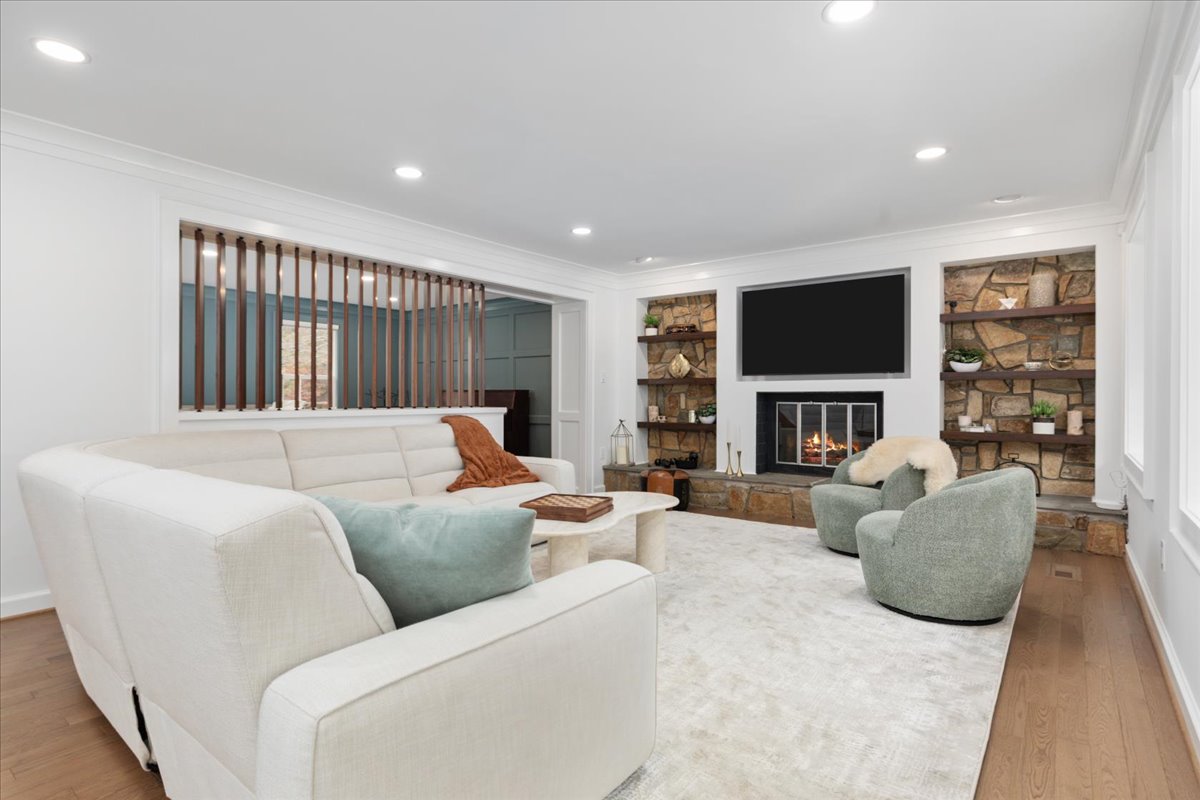
A whole home remodel can begin with a simple realization: your home isn’t working the way it used to. That might show up as a layout that feels disconnected, spaces that no longer support your daily routines, or areas of the home that go unused while others feel overcrowded. In many cases, it’s not one major issue, it’s a series of smaller frustrations that build over time.
At some point, updating one room at a time stops feeling like the right solution. Instead, it makes more sense to step back and look at the home as a whole. That’s where a whole home renovation becomes a more effective approach.
Rather than making isolated improvements, it allows you to rethink how your home functions overall. Like how spaces connect, how they’re used, and how they can better support your needs moving forward. And while the outcome is important, the process plays just as important a role in how successful the experience feels.
When there’s a clear plan in place from the beginning, decisions tend to feel more straightforward, communication stays consistent, and the home remodeling project moves forward with fewer disruptions.
A Seamless Home Remodel Starts With a Clear Plan
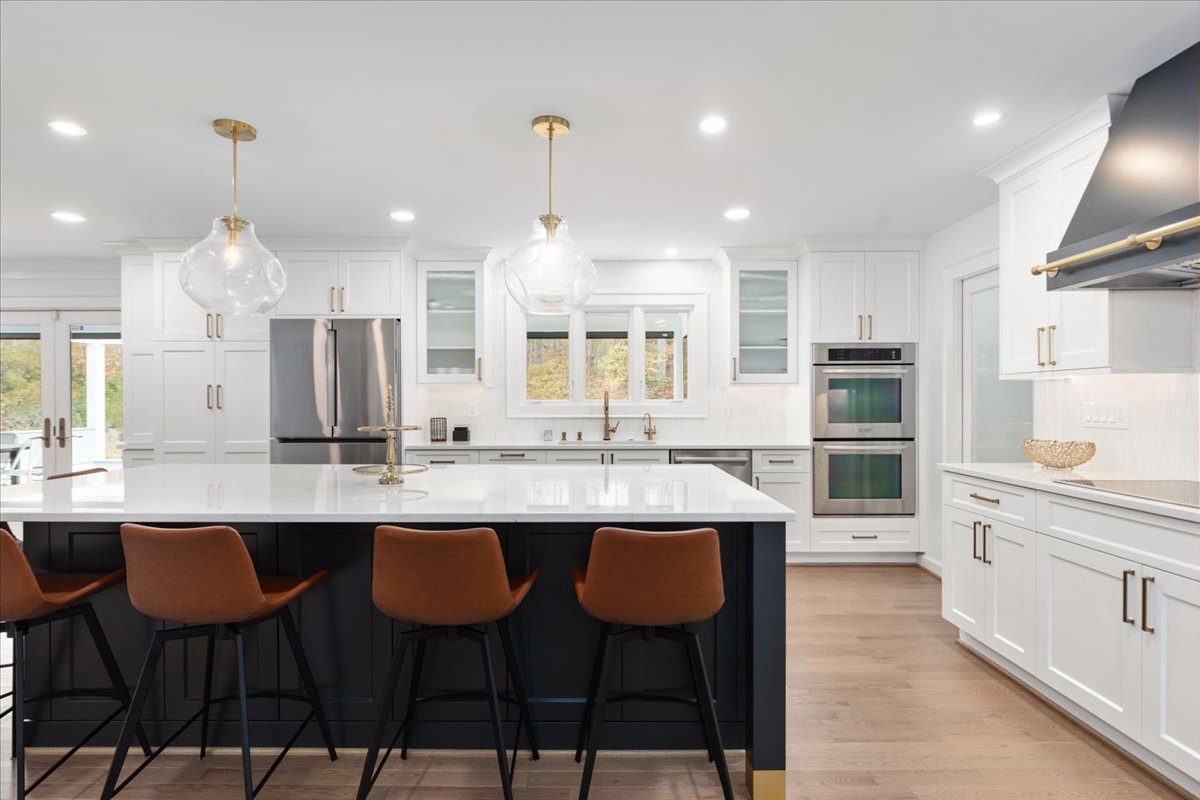
One of the biggest misconceptions about remodeling a home is that the process begins once construction starts. In reality, most of the experience is shaped well before that point.
When planning is rushed or decisions are made too late, projects tend to feel reactive. Timelines shift, budgets stretch, and communication becomes more complicated than it needs to be. That’s where the stress people associate with remodeling comes from.
A well-planned whole home remodel with a trusted design build firm feels different. There’s a clear direction from the start, and each phase builds on the one before it. Instead of constantly adjusting along the way, the project progresses with intention. This becomes especially important in a home remodel, where every space is connected, and decisions in one area impact another.
A strong plan also creates structure around when decisions are made, who is responsible for guiding them, and how progress is communicated. This level of clarity is what helps prevent delays and keeps the project moving forward without unnecessary backtracking.
Understanding What You Need From Your Home
Before getting into design details, it’s important to take a step back and evaluate how your home is functioning today. Not just how it looks, but how it works for you.
The need for a whole home renovation comes from patterns that develop over time. Maybe the kitchen feels separated from the rest of the home, making it harder to stay connected during daily routines. Maybe storage doesn’t exist where you need it, or certain rooms aren’t being used the way they were intended. These are usually not isolated issues. They’re signals that the home, as a whole, could function better.
Taking the time to understand what’s working and what isn’t helps create a more focused direction for the remodel. It also makes it easier to prioritize decisions later on.
It’s also helpful to think beyond your immediate needs. A well-planned remodel considers how your home will support you over time. That could include changes in household size, shifts in how spaces are used, or simply the desire for a home that feels easier to live in long-term.
This is also the point where it’s helpful to begin documenting your ideas. Gathering inspiration photos, making note of specific frustrations, and identifying must-haves versus nice-to-haves will make early design conversations more productive. Instead of starting from scratch, you’re bringing clear input into the design build process.
Bringing Budget Into the Conversation Early
A renovation budget is one of the most important parts of planning a whole home remodel. Without a clear understanding of the budget early on, it’s easy to develop ideas that don’t fully align with what’s realistic. When adjustments need to be made mid-project, it can slow things down and create unnecessary frustration.
Approaching budget as part of the initial planning process helps avoid that.
It allows you to align your priorities with your investment from the beginning. Instead of reacting to costs as they come up, you’re making informed decisions that support both your goals and your budget. This doesn’t mean limiting ideas, it means shaping them in a way that can be carried through to completion without major changes.
It’s also important to understand that remodeling a home involves many decisions. Adjustments in one area, like upgrading materials or expanding scope, can influence the overall budget. Having a clear framework in place early allows for more thoughtful trade-offs without compromising the integrity of the project.
How to Choose the Right Home Remodelers
The design build team you work with has a big impact on how your home transformation unfolds. Remodeling is a continuous process where design, planning, and construction all influence one another. It’s about how clearly the process is communicated, how decisions are guided, and how well each phase of the project is connected.
When those pieces aren’t aligned, it can lead to miscommunication, design changes during construction, and a process that feels more complicated than expected. Working with a team that approaches the project as a whole, rather than in disconnected phases, helps create a more streamlined experience.
It’s also worth paying attention to how a team communicates early on. Are they asking thoughtful questions? Do they explain their process clearly? Are expectations outlined from the beginning? These are often strong indicators of how the project will feel once it’s underway.
At Synergy, we’re proud to renovate happy, meaning our home remodeling approach is designed to take the stress out of the process and instead create an exciting and seamless whole home remodel experience.
How the Design Build Process Improves the Experience
In a whole home remodel, alignment between design and construction makes a noticeable difference.
When both are handled by the same design build firm, decisions are made with a full understanding of how they will be executed. This reduces surprises during construction and helps keep the project on track. It also simplifies communication. Instead of coordinating between multiple parties, you have a single point of contact guiding the process.
That consistency allows for better planning, clearer timelines, and a more predictable overall experience. For homeowners, this means fewer disruptions and more confidence in how the project is progressing.
Without this level of integration, it’s common for gaps to appear between what is designed and what is ultimately built. These gaps can lead to revisions, delays, and added costs that could have been avoided with earlier alignment.
The Benefits of a Design Build Approach
The design phase is where your whole home remodel starts to come together, but it’s also where it’s important to slow down and think through decisions carefully. Taking the time to fully explore layout options, material selections, and how each space connects helps create a more cohesive result.
It also reduces the likelihood of needing to revisit decisions once construction begins, which can be both costly and disruptive. A well-developed design creates clarity. It ensures that what’s being built aligns with what was planned, making the transition into construction more straightforward.
During this phase, selections are typically made for key elements such as cabinetry, flooring, fixtures, and finishes. Finalizing these decisions ahead of construction helps prevent delays caused by product availability or last-minute changes. It also allows your team to build a more accurate timeline and procurement schedule.
Preparing for Construction
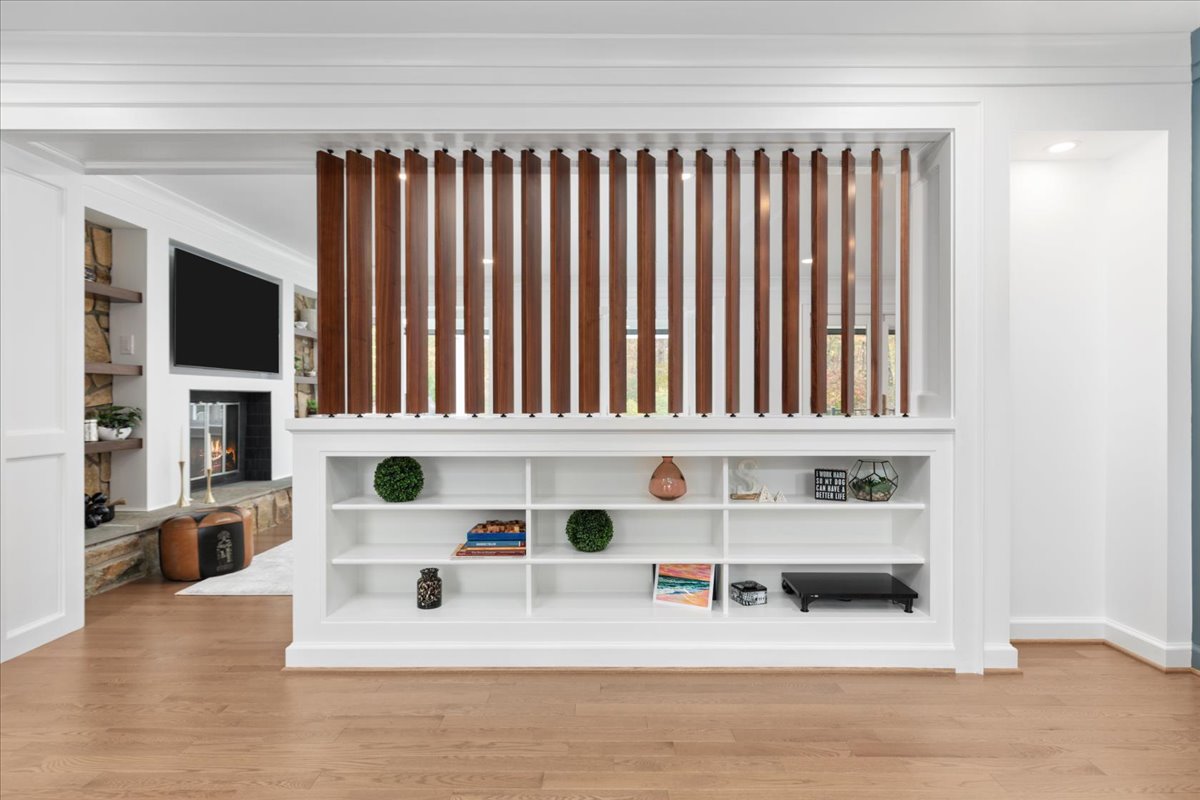
Even with strong planning, construction will always involve some level of disruption. The difference is in how prepared you feel going into it.
When expectations are clearly outlined, like the timeline, sequence of work, and communication, it becomes easier to navigate the process. You know what to expect, when decisions will be needed, and how progress will be tracked. For many homeowners, that clarity makes construction feel much more manageable. Instead of reacting to the unknown, you’re moving through a defined plan.
Preparation also includes practical considerations. Depending on the scope of your whole home remodel, you may need to plan for temporary living arrangements, adjust daily routines, or set expectations around access to certain areas of your home. Thinking through these logistics in advance can make the transition into construction much smoother.
In well-structured projects, communication is ongoing and consistent. Regular check-ins, progress updates, and clearly defined points of contact help ensure that you’re never left wondering what’s happening next.
Creating a Home That Works Long-Term
A whole home remodel is not just about improving your home to enjoy now. It’s an exciting opportunity to create a space that continues to support you and your family over time.
That includes improving how spaces connect, making layouts more functional, and choosing materials that are built to last. It can also involve creating flexibility so the home can adapt as your needs change without requiring another major renovation.
This might include designing multi-functional spaces, improving storage solutions, or making layout decisions that allow for future adjustments. These are the types of considerations that often have the greatest long-term impact, even if they’re not immediately visible.
Connect with Synergy for Your Whole Home Remodel
A seamless home remodel doesn’t happen by chance. It’s the result of thoughtful planning, clear communication, and a process that’s designed to guide homeowners from start to finish.
When each phase is approached with intention, the experience becomes more predictable, more manageable, and ultimately more rewarding. And that’s what allows the finished home to feel not just updated, but aligned with how you want to live.
Contact our team to get started. We can’t wait to hear about the vision you have for your home.
